.png?2.0.9 "MORTGAGE MGNDW")
.png "Trending") 2 weeks ago
2 weeks ago
Diamond Buying Guide
How are you? If you're looking to purchase a diamond, you need to be well-informed. This Diamond Buying Guide will help you navigate through the important aspects to consider. Understanding the 4Cs of diamonds, including cut, color, clarity, and carat weight is essential. You want to make sure you invest wisely in the perfect gemstone for your needs.
Table of Contents:
- What to Know Before Buying a Diamond
- Understanding the 4Cs of Diamonds
- Choosing the Right Shape for Your Diamond
- Setting and Mounting Options for Diamonds
- Tips for Buying Diamonds Online
- Budgeting for a Diamond Purchase
- After the Purchase: Caring for Your Diamond
We invite you to continue reading for more insights into this essential topic. The Diamond Buying Guide is designed to ensure that you make an informed decision, whether you're buying for a special occasion or simply investing in a beautiful piece of jewelry. Make sure to explore each section carefully to understand the nuances of diamond buying. Your perfect diamond is just a few steps away!
What to Know Before Buying a Diamond
Purchasing a diamond is a significant investment, and it’s important to approach this decision with knowledge. Before you embark on your diamond shopping journey, consider the following essential points:
- Understand the 4 Cs: Cut, Color, Clarity, and Carat weight.
- Research the difference between natural and lab-created diamonds.
- Learn about diamond certification and why it matters.
- Set a budget and stick to it to avoid overspending.
- Choose a reputable dealer or jeweler.
- Consider the style and setting that will complement the diamond.
- Don't rush the decision; take your time to find the perfect stone.
Additionally, it's wise to compare prices from different retailers and look for warranties or return policies that provide peace of mind with your purchase.
Understanding the 4Cs of Diamonds
When it comes to purchasing a diamond, understanding the 4Cs is crucial: Carat weight, Cut, Color, and Clarity. Each of these factors plays a significant role in determining the value and quality of a diamond. Among these, the Cut is arguably the most essential, as it affects how a diamond reflects light and shines. This guide will help you make informed decisions when buying a diamond.
- Carat Weight: Refers to the size of the diamond; higher carat weight usually means higher value.
- Cut: Describes how well the diamond has been shaped and faceted, influencing its brilliance.
- Color: Measures the lack of color in a diamond, with less color being more valuable.
- Clarity: Evaluates the presence of internal or external imperfections, impacting its overall quality.
- Certification: Look for diamonds that come with grading reports from reputable gemological laboratories.
- Shape: Different cuts (round, princess, oval, etc.) can affect a diamond's appearance and emotional appeal.
- Setting: The way a diamond is set can enhance its beauty and affect its overall presentation.
- Budget: Always define your spending limit and prioritize the 4Cs based on your preferences.
Choosing the Right Shape for Your Diamond
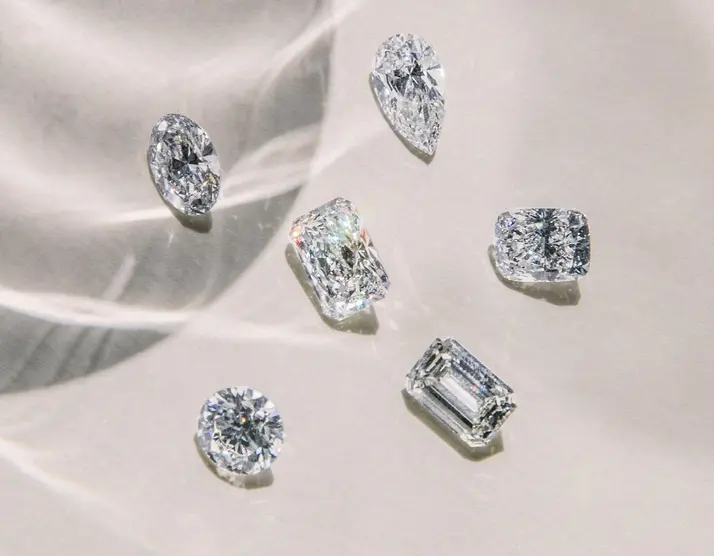
When it comes to buying a diamond, selecting the right shape is crucial as it can significantly affect the overall appearance and brilliance of the gemstone. Different shapes have unique characteristics that appeal to various preferences and styles. Understanding these shapes will help you make a more informed decision.
The most popular diamond shapes include round, princess, cushion, and oval. Each of these shapes offers distinct charm and can influence the way light interacts with the stone, enhancing its sparkle. For example, round diamonds are known for their exceptional brilliance, while princess cuts are favored for their contemporary look. It’s essential to consider personal taste and lifestyle when choosing.
Ultimately, the choice of diamond shape should resonate with your personal style and the characteristics that matter most to you. Whether you prefer the classic elegance of a round diamond or the trendy allure of a cushion cut, take your time to explore the options and find the perfect fit for your special occasion.
Setting and Mounting Options for Diamonds
When purchasing a diamond, one critical aspect to consider is the setting and mounting options available. The way a diamond is set can significantly affect its overall appearance and security. Various settings not only enhance the beauty of the stone but also influence its durability and the level of care needed. Popular settings such as the prong setting allow maximum light to enter the diamond, enhancing its brilliance, while the bezel setting offers more protection.
Types of Settings
Common types of diamond settings include:
Setting Type Advantages Disadvantages| Prong Setting | Maximizes light exposure, enhances sparkle | Can catch on clothing, less protection |
| Bezel Setting | Very secure, protects edges from damage | May limit light exposure, less sparkle |
| Channel Setting | Secures multiple diamonds, modern look | Harder to clean, less visible mounting |
| Pavé Setting | Creates a seamless diamond appearance | More maintenance required, tiny stones can loosen |
Selection Considerations
When choosing a setting, it’s essential to consider your lifestyle and how the ring will be worn. Active individuals might prefer more durable settings, such as bezels or channels. In contrast, someone who appreciates brilliance may opt for a prong setting. Always think about the balance between aesthetics and functionality.
Tips for Buying Diamonds Online
When it comes to purchasing diamonds online, it's essential to do thorough research and understand the key factors that influence diamond quality and pricing. Consider the 4 Cs: Cut, Color, Clarity, and Carat weight. Additionally, ensure you are buying from a reputable seller who provides certification for their diamonds. This knowledge not only empowers you to make informed decisions but also enhances your confidence in your investment.
- What are the 4 Cs of diamonds? The 4 Cs refer to Cut, Color, Clarity, and Carat weight, which are the primary criteria for assessing a diamond's quality and value.
- How can I verify the authenticity of a diamond? Always ask for a diamond grading certificate from a reputable gemological laboratory to verify the authenticity and quality of the diamond.
- What should I consider when setting a budget for my diamond purchase? Consider factors such as the size and quality of the diamond, alongside your personal finances and how much you are comfortable spending.
- Are online diamond retailers trustworthy? Many online retailers are trustworthy, but it's crucial to check customer reviews, return policies, and certifications before making a purchase.
- What is a diamond's cut, and why is it important? The cut of a diamond refers to how well it has been shaped and faceted. It greatly affects the diamond's brilliance and sparkle, making it an important factor to consider.
Budgeting for a Diamond Purchase
When considering a diamond purchase, effective budgeting is crucial to ensure you choose a stone that meets your needs without overspending. First, it’s essential to determine your overall budget, factoring in not just the diamond itself, but also additional costs such as setting, insurance, and appraisal fees. Here are key considerations for budgeting:
- Understand the 4 Cs: Cut, Color, Clarity, and Carat.
- Prioritize which of the 4 Cs matter most to you.
- Set a range based on your financial situation.
- Consider financing options or payment plans.
- Research market prices for diamonds of various qualities.
- Don’t forget about the jewelry setting and its cost.
- Account for necessary future expenses, such as maintenance.
- Evaluate potential resale value if applicable.
After the Purchase: Caring for Your Diamond
Once you have purchased your diamond, it is essential to ensure its longevity and brilliance. Caring for your diamond involves regular maintenance and attention to proper storage. Frequent cleaning will help maintain its sparkle and clarity, with gentle cleaning solutions or professional services recommended to preserve the stone's quality.
Moreover, keeping your diamond in a secure and soft-lined box can prevent scratches and damage. Avoid exposing it to harsh chemicals or environments that may cause wear and tear. Remember, your diamond is not only a beautiful piece of jewelry but also an emotional investment that should be cherished for years to come.
As the saying goes, “A diamond is forever,” which emphasizes the importance of maintaining it for future generations. Taking these simple steps can ensure that your diamond remains as stunning as the day you bought it.
"Caring for your diamond not only preserves its beauty but also the memories attached to it."In conclusion, caring for your diamond involves routine maintenance, secure storage, and protection from harmful substances. By following these guidelines, your diamond will continue to shine brightly and hold its sentimental value. Until we meet again in another interesting article, thank you!

 English (US) ·
  Indonesian (ID) ·